
What Homeowners Get Wrong About Chimney Inspection Keasbey NJ: 2026 Guide for South Amboy Residents
February in Middlesex County has a way of reminding you what your chimney has been through. The freeze-thaw cycles that hit our stretch of the Raritan Bay shoreline South Amboy, Keasbey, Perth Amboy are relentless, and by the time the ground thaws out, the mortar joints and flue liners in a lot of older homes here have taken a real beating. That’s usually when the calls start coming in. And that’s also when we hear the same misconceptions, over and over, from homeowners who genuinely thought they were doing the right thing.
Chimney inspection Keasbey NJ homeowners actually need looks different from what most people imagine, and the gap between expectation and reality is where most of the risk lives. So let us set a few things straight not to lecture, but because we’ve seen what happens when the wrong assumptions drive a decision to wait.
The Scenario That Prompted This Post
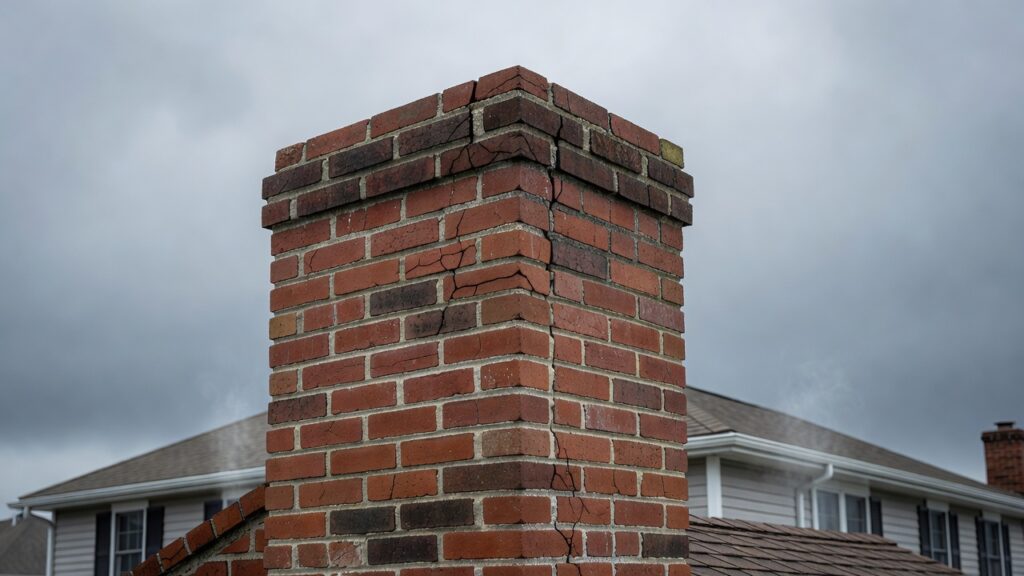
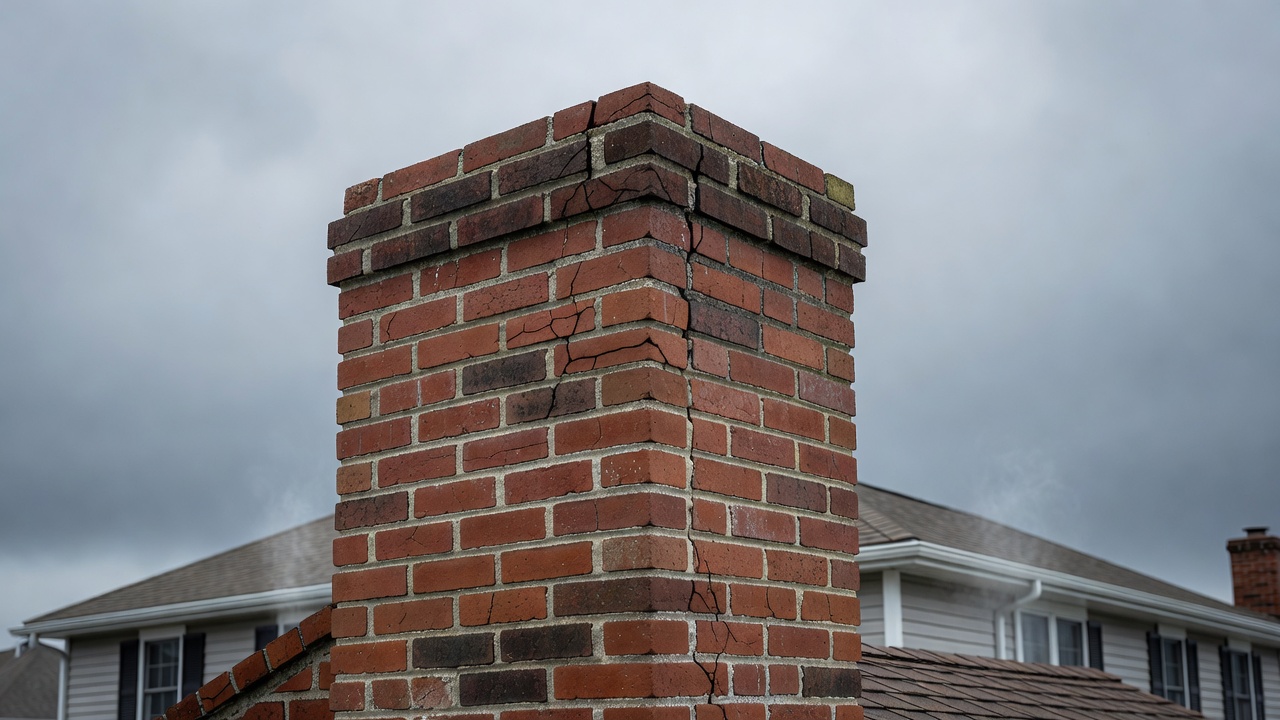
A homeowner in South Amboy called us last January after noticing a faint smoky smell drifting into her living room every time the wind picked up off the bay. She’d had the fireplace cleaned three years prior and assumed that was still good enough. Her house, like many in the area, was built in the 1960s original clay tile liner, no cap, and brick that had seen four decades of coastal weather. When our technicians inspected it, we found a cracked liner section and significant spalling on the exterior crown. A Level 2 inspection, the kind required any time there’s a change in appliance or visible damage, confirmed the flue was not safe to use. She hadn’t burned a single fire that season luck, mostly. The repair was real, but catching it early kept it from becoming a complete liner replacement. That’s the best outcome we can offer when people call us before something goes wrong.
The Misconceptions Worth Addressing Honestly
Thinking an Annual Inspection Is Optional If You Don’t Use the Fireplace Much
This is probably the most common thing we hear, and it makes intuitive sense on the surface if you only burned three or four fires last winter, what’s there to inspect? The answer is: quite a lot. NFPA 211, the standard that governs chimney systems in the United States and was updated for 2026, recommends that chimneys, fireplaces, and venting systems be inspected at least once a year regardless of use frequency. The structure itself degrades whether or not there’s fire in it. Moisture intrusion, animal activity, mortar deterioration none of that requires you to light a match. In a coastal community like South Amboy or Laurence Harbor, salt air accelerates masonry wear faster than it does inland. Skipping the inspection because the fireplace sat unused is one of the more reliable ways to miss a problem until it’s expensive.
Assuming a Cleaning Is the Same Thing as an Inspection
Plenty of homeowners book a chimney sweep and check “chimney maintenance” off their list entirely, believing the sweep would have flagged anything serious. A cleaning removes combustible creosote buildup that’s its purpose, and it’s important. But it isn’t a structural evaluation. According to the Chimney Safety Institute of America (CSIA), a proper inspection examines the integrity of the flue liner, the condition of the crown and cap, the masonry joints, the firebox, and the clearances to combustibles — none of which a cleaning alone addresses. We see this conflation constantly in older Keasbey and Fords neighborhoods where the houses haven’t had a dedicated inspection in years, only periodic sweeping. The two services complement each other; they don’t substitute for one another.
Believing Spring Is Too Late to Book
There’s a persistent idea that chimney inspection Keasbey NJ residents should only schedule in fall, right before heating season. That thinking leads to a logjam every September and October when every homeowner in Middlesex County calls at once. Spring is actually a smart window. The heating season has just ended, so any damage from winter use is fresh and visible. Freeze-thaw damage to mortar and crowns is easiest to assess before summer growth covers exterior masonry. And because demand is lower in March and April, scheduling is easier and our technicians can give more time to each visit. Waiting until October means you may be heating with a damaged system for weeks before we can get to you. We’ve been saying this to customers in Woodbridge and Avenel for years book early and you have options; wait until fall and you’re often making rushed decisions.
Thinking Visible Damage Is the Only Reason to Call
If there are no cracks you can see, no staining on the ceiling, no smoke backing up into the room, homeowners often conclude everything is fine. But the parts of a chimney most likely to fail the flue liner, the smoke chamber, the area behind the firebox are not visible to the naked eye from the firebox opening. The CSIA categorizes inspections into three levels precisely because different conditions require different depths of evaluation. A Level 1 inspection covers accessible areas under normal continued use. A Level 2 goes further and is required, among other situations, when a home is sold or when there’s been any observable exterior event including the kind of sustained freeze-thaw stress that Sayreville and Old Bridge homeowners dealt with during last winter’s cold snaps. Absence of visible symptoms is not the same as absence of a problem.
Underestimating What Waiting Costs
We understand why people delay. Life is busy, the fireplace seems to be working fine, and spending money on something that isn’t broken feels hard to justify. But the cost curve on chimney damage is steep. A hairline crack in a clay tile liner caught early can be addressed with targeted repair. Left through another heating season, that crack widens, creosote can accumulate in the gap, and you’re now looking at a full liner relining a job that runs several thousand dollars depending on flue length and access. We’ve had that conversation with homeowners in Carteret and Colonia who called us after a neighbor’s chimney fire made the news. The inspection itself is a modest, predictable cost. What it prevents is not.
What a Real Inspection Covers in 2026
Under current NFPA 211 (2026 edition) guidance, a Level 1 inspection the baseline annual check covers the readily accessible portions of the chimney exterior and interior, and the accessible portions of the appliance and the chimney connection. Our technicians examine the firebox, damper, smoke shelf, visible flue sections, crown, cap, and exterior masonry. We document what we find with photos and give you a written report. If we identify anything that warrants a closer look, we’ll tell you clearly what level of inspection or chimney repair and repointing service makes sense next. We also pair inspections with our chimney cleaning service when there’s buildup, and with chimney cap and waterproofing service when the crown or cap shows deterioration which in South Amboy’s coastal environment is more common than people expect.
The Right Time to Book Is Usually Sooner Than You Think
We’re not trying to manufacture urgency. The honest answer is that most Middlesex County homeowners are behind on their chimney maintenance, not because they’re negligent but because the conventional wisdom around timing is muddled. Spring works well. Late winter works well. What doesn’t work well is October, when our schedule fills fast and homeowners feel pressure to light fires before we’ve had a chance to confirm it’s safe to do so.
If your home is in Keasbey, South Amboy, or anywhere else in our service area and you’re not sure when your last inspection was, that uncertainty itself is the answer. Reach out to us through our website contact form and we’ll get you scheduled. A proper chimney inspection Keasbey NJ homeowners can trust starts with a conversation, not a sales pitch.
Frequently Asked Questions About Chimney Inspection in Keasbey NJ
How often do I actually need a chimney inspection in Keasbey NJ?
NFPA 211 (2026) recommends at minimum one inspection per year for all chimney and venting systems, regardless of how often you use the fireplace. In Middlesex County, where freeze-thaw cycles accelerate masonry wear, we strongly recommend not skipping years even if usage is light.
What’s the difference between a chimney cleaning and a chimney inspection?
A cleaning removes creosote and debris from the flue. An inspection evaluates the structural integrity of the entire chimney system liner, crown, cap, mortar joints, smoke chamber, and firebox. The CSIA treats these as separate services, and they should be booked accordingly. Many homes need both, but one does not replace the other.
Is spring a good time to schedule a chimney inspection near South Amboy?
Yes, and in our experience it’s often the best time. Winter damage is fresh and visible, scheduling demand is lower than in fall, and any repairs we identify can be completed before the next heating season without any time pressure. We regularly serve homeowners in South Amboy, Keasbey, and Fords in March through May with shorter wait times than September or October.
What does a Level 2 chimney inspection involve, and when is it required?
A Level 2 inspection goes beyond accessible areas to evaluate the full length of the flue, typically using a camera system. It’s required by NFPA 211 when a home changes ownership, when there’s been a chimney fire or external event, or when a new appliance is installed. If you bought your home in Middlesex County without a recent Level 2, we recommend scheduling one.
How much does a chimney inspection cost in Keasbey NJ in 2026?
Pricing varies based on the inspection level and the size and complexity of your chimney system. A standard Level 1 inspection is generally the most affordable entry point. We provide written estimates before any work begins. Contact us through our website for current pricing specific to your property.
Can I wait until fall to book, or is there a real risk to delaying?
Waiting until fall is possible, but it carries two practical risks. First, our fall schedule fills quickly as homeowners across Middlesex County book at the same time. Second, if an inspection uncovers damage that needs repair, fall timelines can leave you heating with a compromised chimney while you wait for parts and contractor availability. Booking in spring gives you the full summer for any necessary repair work.
Related from Perth Amboy Chimney: Smart Timing for a Chimney Inspection Hopelawn NJ · Smart Chimney Repair South Amboy NJ · Smart Chimney Inspection Fords NJ