
Warning Signs You Need a Chimney Inspection Perth Amboy NJ Homeowners Shouldn’t Ignore
Most people assume they’ll know when something is wrong with their chimney. Smoke backs up, you call someone. But in our experience working with homeowners across Middlesex County, the dangerous conditions usually develop quietly no drama, no obvious signal, just slow deterioration that a chimney inspection in Perth Amboy NJ would catch long before it becomes an emergency. The warning signs are there. They just don’t look like what most homeowners expect.
Here’s what to actually watch for, and how to tell whether you need a professional on-site today or whether you have a little time to plan.
A Sayreville Story Worth Knowing
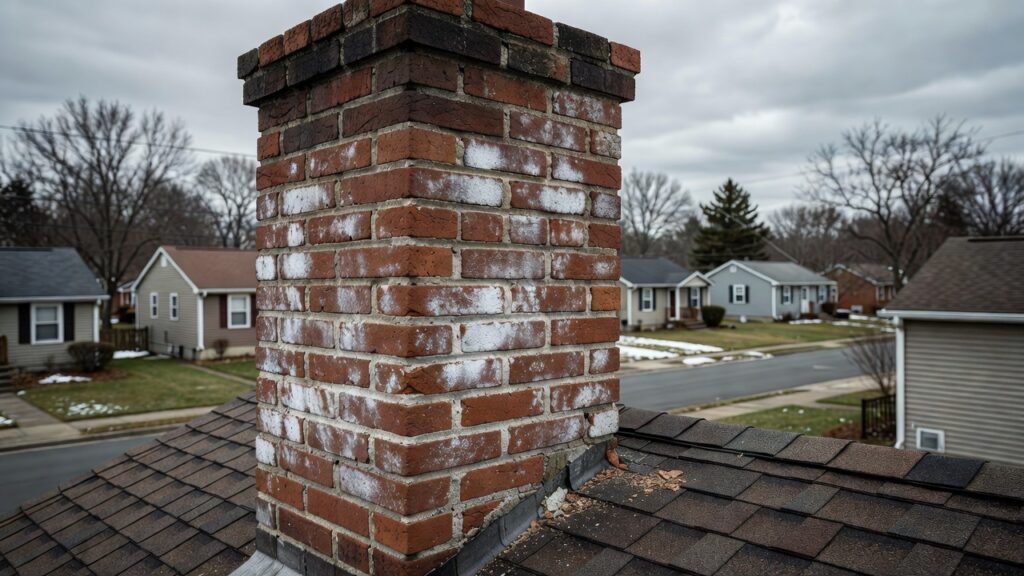
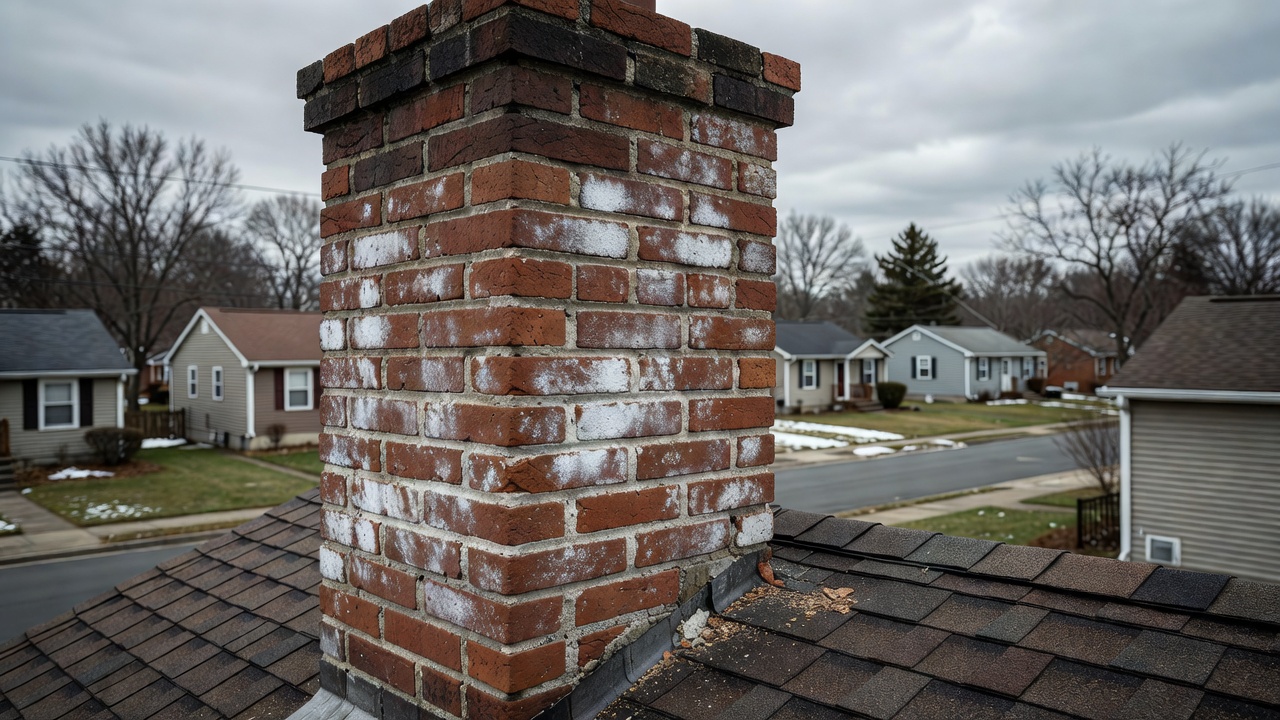
Last winter, a homeowner in Sayreville called us after noticing a faint white residue on the outside of their brick chimney. They’d been watching it for a couple of seasons, assuming it was just weathering. When our technicians arrived, we found efflorescence from chronic water infiltration, a partially collapsed flue liner, and mortar joints that had deteriorated badly enough that the chimney was no longer safely usable. The fireplace had been running all season. We grounded it immediately and scheduled emergency repairs. The original stain the thing they nearly ignored was the first clue the system had been silently failing for years.
That’s the pattern we see repeatedly, in Sayreville, in Carteret, in Old Bridge. The small visible signs point to bigger hidden ones.
Warning Signs That Mean Call A Pro Now
White Staining on the Exterior Brick
That chalky white residue efflorescence is mineral salt left behind when water moves through masonry and evaporates. It means water is getting in. Where water goes, freeze-thaw damage follows, and in a New Jersey winter that cycle can happen dozens of times between November and March. Don’t wipe it off and move on. A professional needs to find where the water is entering. This is a call-a-pro-now situation.
Rust on the Firebox or Damper
Open the damper and look up. If you see rust on the damper plate or on the firebox walls, that’s condensation evidence moisture is collecting inside the flue. According to the Chimney Safety Institute of America (CSIA), a damper that rusts or sticks is a reliable indicator of excess moisture in the system, which can point to a cracked liner, missing chimney cap, or failed crown. Book an inspection before your next fire.
A Strong Smoky or Musty Smell When the Fireplace Isn’t in Use
Odors coming from a cold fireplace mean air is moving the wrong direction down through the flue into your living space. That air carries creosote vapors, moisture, and sometimes animal debris. If the smell is musty, suspect water intrusion or animal nesting. If it’s acrid or smoky, suspect heavy creosote accumulation. Either way, this isn’t a “keep an eye on it” situation. The chimney isn’t functioning correctly.
Spalling or Flaking Brick on the Chimney Stack
If you’re finding small chips of brick or mortar around the base of your chimney on the roof, on the ground below the masonry is actively breaking down. Spalling happens when moisture trapped inside brick freezes and expands. In a harsh winter like the ones that regularly hit Middlesex County, this accelerates quickly. Left untreated, the structural integrity of the chimney is at risk. Our chimney repair and repointing service addresses this directly, but the first step is an inspection to understand the full scope.
Smoke Entering the Room When You Use the Fireplace
This one is obvious, but people rationalize it. They crack a window, adjust the damper, call it a drafty house. Smoke rollout means the flue is blocked, undersized relative to the firebox, or the liner is damaged enough to disrupt proper draft. NFPA 211, the standard governing chimney systems in the United States, requires that every fireplace system produce a draft sufficient to keep combustion gases out of the living space. If yours isn’t doing that, you have a code-relevant safety failure, not a quirk. Stop using it and call for an inspection.
Visible Cracks in the Flue Tiles
If you can see cracks from below when you look up into the firebox with a flashlight, the liner is compromised. You’re only seeing the bottom section a camera inspection, which our team performs during a chimney inspection, reveals the full picture. A cracked liner lets heat and combustion gases reach combustible framing. According to NFPA 211 (2024 edition, current for 2026 compliance), the flue liner must be continuous, intact, and correctly sized. A cracked one disqualifies the system for safe use.
Signs Worth Monitoring but Not Ignoring
Slow Damper Action or Sticking
A damper that’s stiff or hard to open is annoying but not an immediate emergency. It often means rust, debris, or a warped plate. Schedule a cleaning and inspection within the season. Don’t let it become something you avoid dealing with a stuck-open damper in February will cost you significantly on heating bills, and a stuck-closed one means carbon monoxide risk the moment someone lights a fire without checking.
Small Animals or Unusual Sounds in the Flue
Scratching, chirping, or rustling from the chimney usually means birds or squirrels. It’s not an emergency if the damper is closed and the animals are above it but they leave nesting material, and that material is combustible. A chimney cap installation prevents re-entry; a cleaning remove what’s already there. Have it done before spring nesting season.
Efflorescence That’s New This Season
If the staining just appeared, the source may be recent a failed crown, a new crack from winter frost. Watch it through one more rain event but schedule an inspection within the month. The Sayreville homeowner we mentioned above waited two seasons. That’s one season too many.
Choosing the Right Inspector — What Actually Matters
Here’s where we’ll be direct: not every chimney company operating in Middlesex County carries the credentials to back up their work. Before you hire anyone including us ask whether their technicians hold CSIA Certified Chimney Sweep credentials. Ask whether they perform a Level II camera inspection for any home that’s been purchased recently or had a significant event (chimney fire, heavy storm, extended time without use). NFPA 211 defines three inspection levels, and a Level I visual inspection alone is not sufficient when there’s any reason to suspect a problem. A contractor who quotes a flat “inspection and cleaning” without asking about your system’s history, your usage, and the age of your liner isn’t doing a thorough job.
Red flags to watch for: an inspector who won’t provide a written report, a quote that seems unusually low with a long list of upsells at the appointment, or a company that can’t show you the camera footage from inside your flue. We provide written documentation with every inspection, and we show you what we find before we recommend anything.
We’ve served homeowners in Sayreville, Edison, Woodbridge, Metuchen, and across the county, and our approach doesn’t change based on where you live or what the job turns out to be.
Ready to Schedule Your Inspection?
If any of the warning signs above match what you’re seeing or if you simply haven’t had your chimney professionally inspected in the last twelve months don’t wait for the problem to announce itself loudly. Use the contact form on our website to request a free estimate. We’ll get one of our technicians out to your home, give you a clear written report, and tell you exactly where things stand. No pressure, no surprises.
Frequently Asked Questions: Chimney Inspection in Perth Amboy NJ
How often should I schedule a chimney inspection in Perth Amboy NJ?
NFPA 211 recommends that chimneys, fireplaces, and venting systems be inspected at least once per year. For most Middlesex County homeowners who use their fireplace regularly through the heating season, once annually typically in late summer or early fall before you start using it is the right cadence. If you’ve had a chimney fire, moved into a new home, or experienced a major storm, you need an inspection before the next use regardless of when the last one was.
What’s the difference between a Level I and Level II chimney inspection?
A Level I inspection is a visual check of accessible portions of the chimney interior and exterior. A Level II inspection includes a camera scan of the entire flue and is required when you’re buying or selling a home, after any chimney fire, or when the system has changed. Most reputable inspectors in the Perth Amboy area will recommend a Level II if your home is older or if there’s any sign of damage. We perform camera inspections and show you the footage directly.
What does a chimney inspection cost in Middlesex County NJ in 2026?
A standard Level I inspection typically runs between $100 and $200 in this area. A Level II inspection with camera equipment generally ranges from $200 to $350 depending on the complexity of the system and the height of the chimney. Any contractor quoting well below these ranges for a full inspection should be asked specifically what they include the price matters, but so does what you’re actually getting.
Can I use my fireplace while I wait for the inspection?
If you’ve noticed any of the warning signs described in this post smoke rollout, visible cracks, strong odors, or confirmed animal intrusion no. Stop using the fireplace until it’s been professionally evaluated. Carbon monoxide exposure and chimney fires are real risks when the system is compromised. If everything has seemed normal and you’re scheduling a routine annual inspection, continued use at reduced frequency is a judgment call, but we’d lean toward waiting.
How do I know if a chimney inspector in the Perth Amboy area is qualified?
Ask specifically whether the technician holds a CSIA Certified Chimney Sweep (CCS) credential. That certification requires ongoing education and adherence to industry standards. Also ask whether they follow NFPA 211 protocols for inspection levels. A qualified inspector will provide a written report, explain what they found, and not pressure you into immediate repairs without documentation.
Do new homes in Sayreville or nearby towns still need chimney inspections?
Yes. Construction defects occur in new builds, and even a fireplace that’s never been used should be inspected before first use to confirm the liner is intact, the cap is properly installed, and clearances meet code. For homes a few years old the kind of mid-2000s construction common in parts of Sayreville and Old Bridge inspections matter even more, as those systems are old enough to have wear but young enough that owners sometimes assume they’re fine.
Perth Amboy Chimney serves homeowners throughout Middlesex County, New Jersey, including Sayreville, Carteret, Woodbridge, Edison, Metuchen, and surrounding communities.
Related from Perth Amboy Chimney: What Homeowners Get Wrong About Chimney Inspection Keasbey NJ · Finding a Trustworthy Chimney Sweep Near Me Perth Amboy · Essential Chimney Waterproofing Perth Amboy NJ