
Smart Timing for a Chimney Inspection Hopelawn NJ: 2026 Guide for Keasbey Residents
Most chimney problems we see in Keasbey and the surrounding blocks didn’t start the week a homeowner called us. They started the previous winter maybe two winters back and grew quietly until something forced the conversation. A cracked flue tile. A draft that smelled wrong. A firebox full of standing water after a March storm. If there is one thing our technicians have learned working in this pocket of Middlesex County, it’s that the calendar matters almost as much as the service itself. Scheduling a chimney inspection Hopelawn NJ at the right point in the year can mean the difference between a routine maintenance visit and an emergency repair bill.
A Keasbey Homeowner Who Almost Waited One Season Too Long
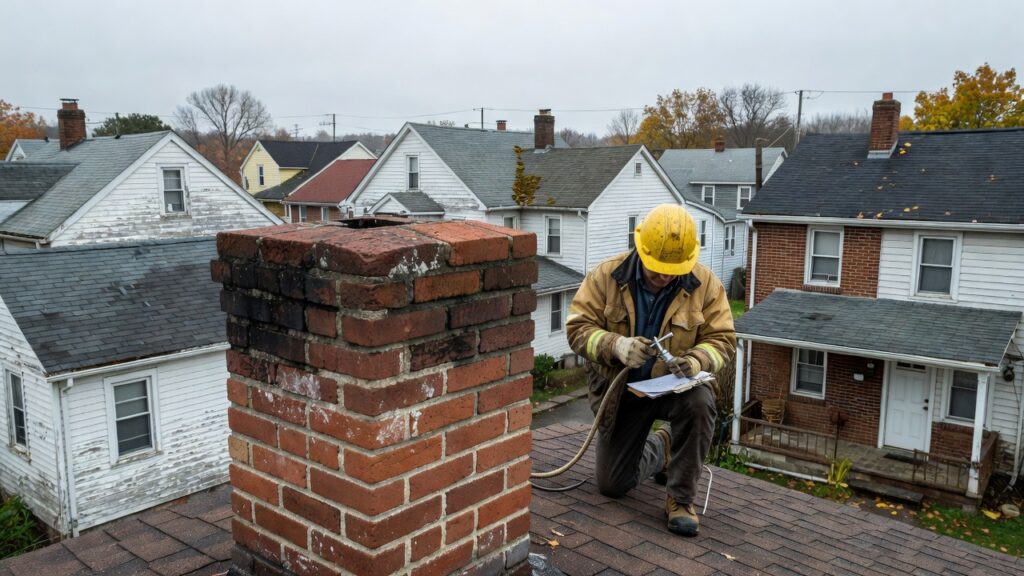
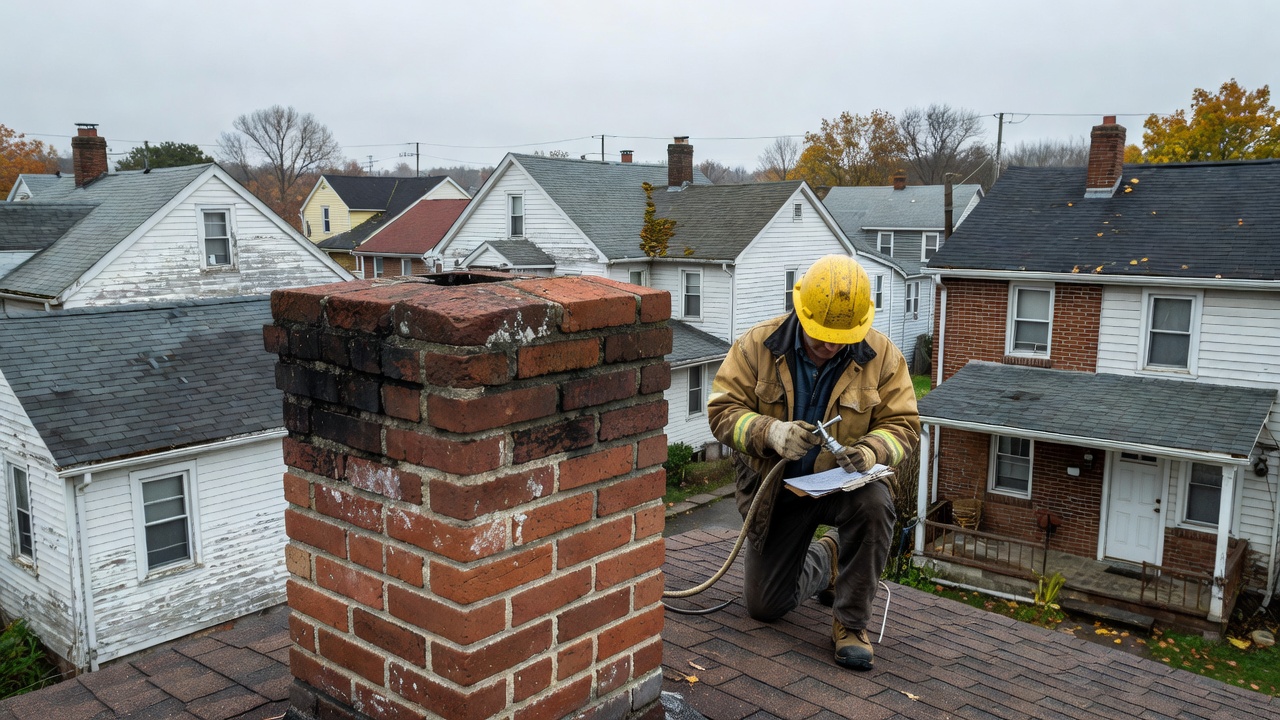
A homeowner on the Keasbey side of the Hopelawn border called us in late October 2024. She had a gas insert and hadn’t used it much the previous season, so she figured another year without an inspection was fine. What pushed her to finally book was a faint but persistent smoky smell drifting from the fireplace on cool evenings even with the insert off. When our technicians arrived, we found a partially collapsed clay tile liner that had been spalling for at least two winters. The freeze-thaw cycles along this stretch of the Raritan waterfront are punishing; temperatures can swing fifteen degrees overnight in November, and moisture trapped in old mortar joints expands and contracts until something gives. We completed a Level II inspection, documented the liner damage with a camera scan, and scheduled relining before the heating season peaked. She got through the winter safely. Had she waited until the following spring to call, there was a real chance she would have used a compromised flue all season without knowing it.
Why the Timing of Your Inspection Changes Everything Here
Keasbey sits low, close to the Arthur Kill and the Raritan Bay watershed. That proximity means higher average moisture exposure than inland towns like Metuchen or Colonia. Clay liner systems and older brick chimneys absorb that moisture over summer and then face repeated freeze-thaw stress once temperatures drop in October and November. According to the Chimney Safety Institute of America (CSIA), a chimney should be inspected at least once per year regardless of use frequency and that recommendation carries extra weight in coastal-adjacent, high-humidity environments like ours.
NFPA 211, the standard our team follows for every chimney inspection Hopelawn NJ and surrounding area, classifies inspections into three levels. A Level I is appropriate when nothing has changed same appliance, same fuel, normal use. A Level II is required after any change to the system, after a chimney fire, or when a property changes hands. Many Keasbey homes are older worker-row and cape-style houses, some of which have had multiple owners and multiple appliance changes over the decades. Those histories often warrant a Level II before anyone lights the first fire of the season.
Season by Season: When to Book and What to Expect
Late Summer (August – Early September): The Best Window
This is the window we consistently recommend to homeowners across Hopelawn, Keasbey, and down toward Sewaren. Demand is lower than it will be in October, which means our schedule has more flexibility and turnaround from inspection to any needed repair is faster. If we find liner damage, deteriorated mortar, or a failing crown, there is time to schedule repointing or cap replacement before cold weather arrives. Materials set better in warm, dry conditions. Pricing for repairs is also more predictable rush labor and cold-weather masonry work cost more.
Early Fall (Mid-September – October): Still Good, Getting Crowded
This is when most homeowners think about their chimney for the first time all year. The first chilly evening hits, someone wants to use the fireplace, and the phone lines get busy. We can still accommodate inspections through October, but lead times stretch. Homeowners in Carteret and South Amboy are calling at the same time as everyone in Keasbey and Hopelawn. If we identify a problem during an October inspection, getting a repair crew on-site before November takes coordination. It’s doable but the cushion is gone.
Mid to Late Winter (January – February): Reactive, Not Preventive
We do inspections year-round, and we get calls throughout January and February from homeowners who notice something wrong mid-season. Those calls usually involve a visible problem water staining, a strange smell, visible spalling at the crown, or an audible change in draft. A chimney inspection Hopelawn NJ in January is absolutely the right call if something concerns you. What it is not, however, is a substitute for a pre-season inspection. By mid-winter, any damage we find has already been doing its work for months, and repair options are limited until temperatures stabilize.
Spring (April – May): Ideal for Post-Season Assessment and Repairs
Spring is an underused window that we actively encourage, especially for homes that burned wood heavily through the winter. Creosote accumulates fastest in wood-burning systems, and a spring cleaning plus inspection after heavy use gives us an accurate picture of what the season actually did to the flue. It also gives maximum lead time before the next heating cycle. For homeowners in Avenel or Iselin who heated primarily with their fireplace through a hard winter, a May inspection is a smart move.
Choosing the Right Contractor: What to Ask, What to Watch For
The chimney inspection space in New Jersey has no shortage of operators. Some are excellent. Others are door-to-door outfits that offer a deeply discounted inspection as a lead-generation tool for unnecessary repairs. Here is what we suggest asking any contractor, including us.
First, ask whether the technician holds CSIA Certified Chimney Sweep credentials. The CSIA requires continuing education and holds sweeps to a defined code of ethics it’s the most widely recognized credential in this trade. Second, ask specifically which inspection level they are recommending and why. A contractor who defaults to a Level II for a straightforward gas fireplace with no history of system changes and no documented reason is worth questioning. Third, ask for a written report with photos. Any inspection worth paying for should produce documentation you can keep, share with a real estate agent, or reference the following year.
Red flags we hear about from homeowners who found us after a bad experience elsewhere: pressure to sign a repair contract on the same day as the inspection, vague verbal-only findings with no written summary, and inspection fees that seem unusually low but come paired with aggressive upselling. An honest chimney inspection Hopelawn NJ should produce a clear, documented finding not a sales pitch delivered from the rooftop.
Our team photographs every inspection and walks every homeowner through what we found before we leave the property. If a repair is needed, we explain exactly what NFPA 211 says about it, why it matters, and what the options are. We do not pressure same-day decisions.
What Waiting Costs: Real Numbers for This Area
A standard Level I inspection in the Hopelawn and Keasbey area runs in the range of $150 to $250 in 2026, depending on system complexity. A liner replacement the kind of repair that follows a season or two of ignored spalling damage typically starts around $2,500 and can reach $5,000 or more for longer flue runs in taller chimneys. Tuckpointing and crown repair, caught early, usually run $300 to $800. Caught late, after water has penetrated the masonry through multiple freeze-thaw cycles, the same area of damage can require full section rebuilding. The math for preventive inspection is not complicated.
Reach Out Before the Rush
If your last chimney inspection was more than twelve months ago or if you honestly cannot remember when it happened now is the right time to get it on the calendar. Our team serves Keasbey, Hopelawn, and homeowners throughout Middlesex County, and we would rather catch a small problem in August than get a distressed call in December. Use our website contact form to request a free estimate and we’ll get back to you promptly to find a time that works.
Frequently Asked Questions About Chimney Inspection in Hopelawn and Keasbey
How often should I schedule a chimney inspection in Hopelawn NJ?
The CSIA recommends at least one inspection per year for any chimney, regardless of how frequently you use it. In high-moisture areas like Keasbey and Hopelawn where freeze-thaw cycles are hard on masonry annual inspections help catch liner and mortar damage before it compounds into a larger repair.
What is the difference between a Level I and Level II chimney inspection?
A Level I inspection covers accessible portions of the chimney and is appropriate when the system has not changed and has been in normal use. A Level II inspection includes a video scan of the flue interior and is required after any system change, following a chimney fire, or during a real estate transaction. Many older homes in Keasbey and the surrounding area qualify for Level II given their history.
Can I get a chimney inspection in the winter?
Yes. We perform inspections year-round in Middlesex County. If you notice a problem mid-season unusual smells, visible damage, or a change in how your fireplace drafts call or contact us through our website right away. A winter inspection is always better than continuing to use a system you have concerns about.
How do I know if a chimney sweep is qualified to inspect my chimney in New Jersey?
Look for CSIA Certified Chimney Sweep credentials. New Jersey does not require a state license specifically for chimney sweeps, which makes independent certification more important, not less. Ask to see credentials before work begins and ask for a written inspection report with photographs.
What does a chimney inspection in this area typically cost in 2026?
A Level I inspection in the Hopelawn and Keasbey area generally runs between $150 and $250. A Level II with camera scan is typically higher. Any quote should be provided in writing before work starts. Contact us through our website for a free estimate specific to your system.
What happens if I skip a chimney inspection for a few years?
In our climate, a few skipped years can mean undetected creosote buildup, deteriorating mortar joints, or a spalling liner any of which can create a fire hazard or carbon monoxide risk. According to NFPA 211, chimneys that are not maintained to standard should not be used. The inspection cost is almost always a fraction of the repair bill that follows deferred maintenance.
Related from Perth Amboy Chimney: Smart Chimney Inspection Woodbridge NJ · Smart Chimney Repair South Amboy NJ · Finding a Trustworthy Chimney Sweep Near Me Perth Amboy